Problem
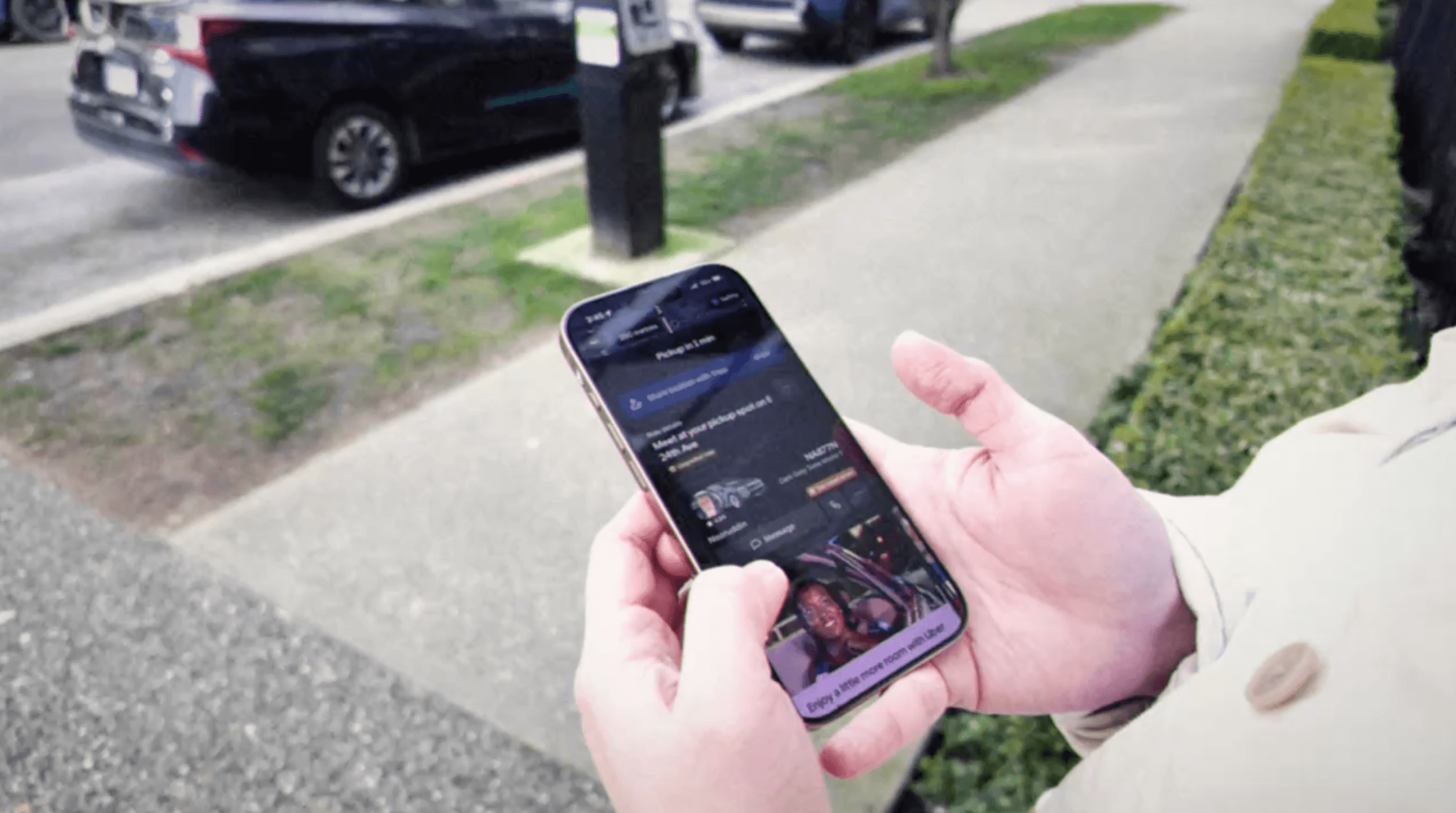
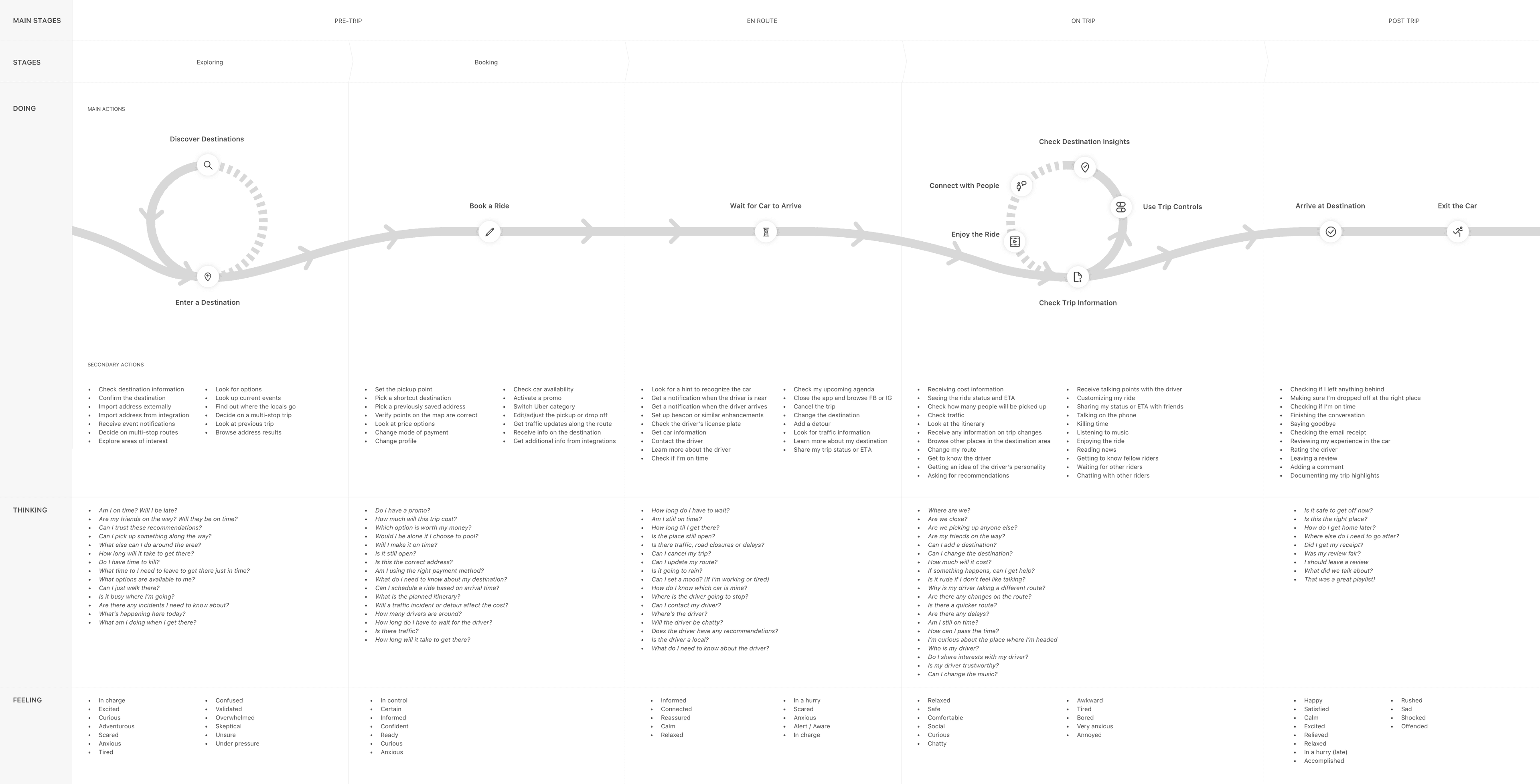
In 2016, getting into a stranger's car was still an unfamiliar concept. Uber wanted to normalize that behavior, but the rider experience wasn't doing much to earn the trust that moment required. The en-route flow with your phone in hand, watching a car icon crawl toward you on a map, was the most anxious window in the experience. You didn't know what car to look for, whether the driver was who they said they were, or when to start scanning the street. The brief was about messaging and feed improvements, but the underlying ask was simpler: make the experience feel safer and more human.
My role
One of two designers that Uber contracted from MetaLab for a three-month engagement on the rider app. We were embedded directly into their team, working alongside the design lead and product manager. We kicked off with three days in San Francisco which wasn't optional, since Uber wasn't available in Vancouver yet. I was designing an experience I couldn't personally use.
Three decisions that shaped the work
Separate the person from the car
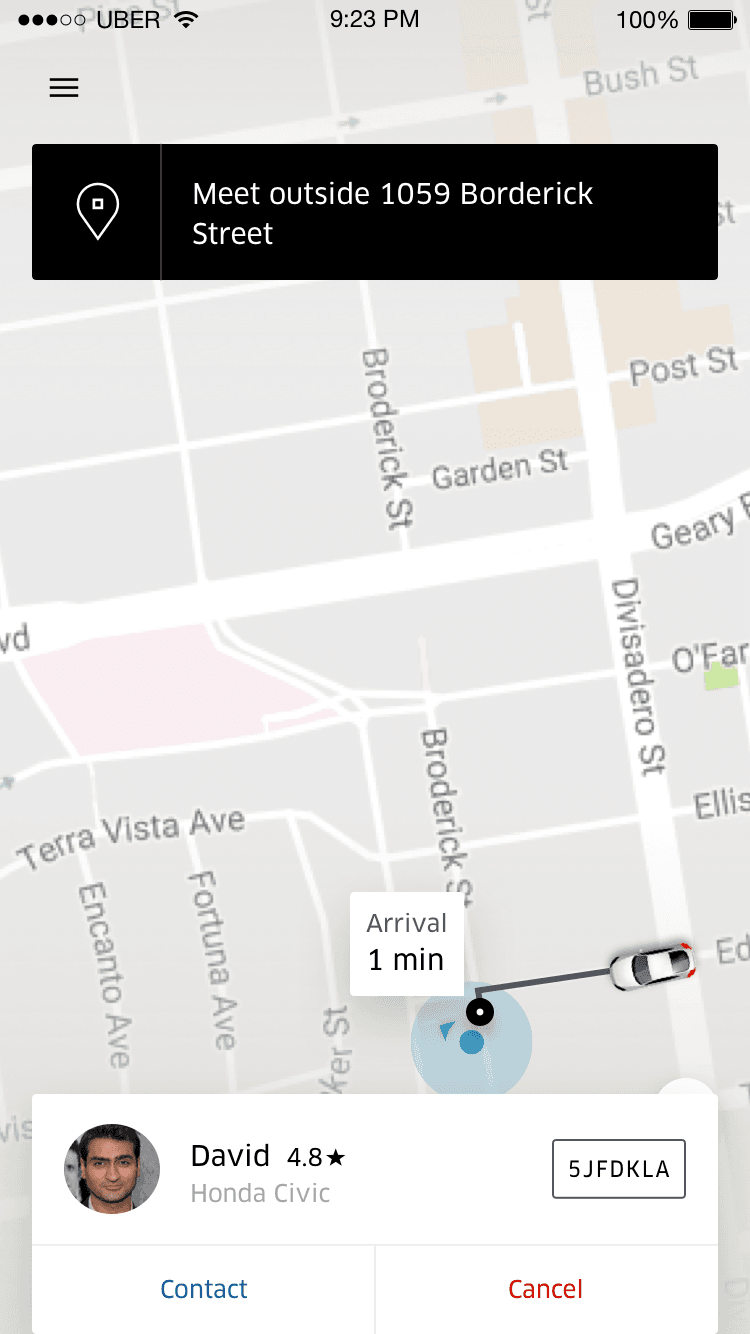
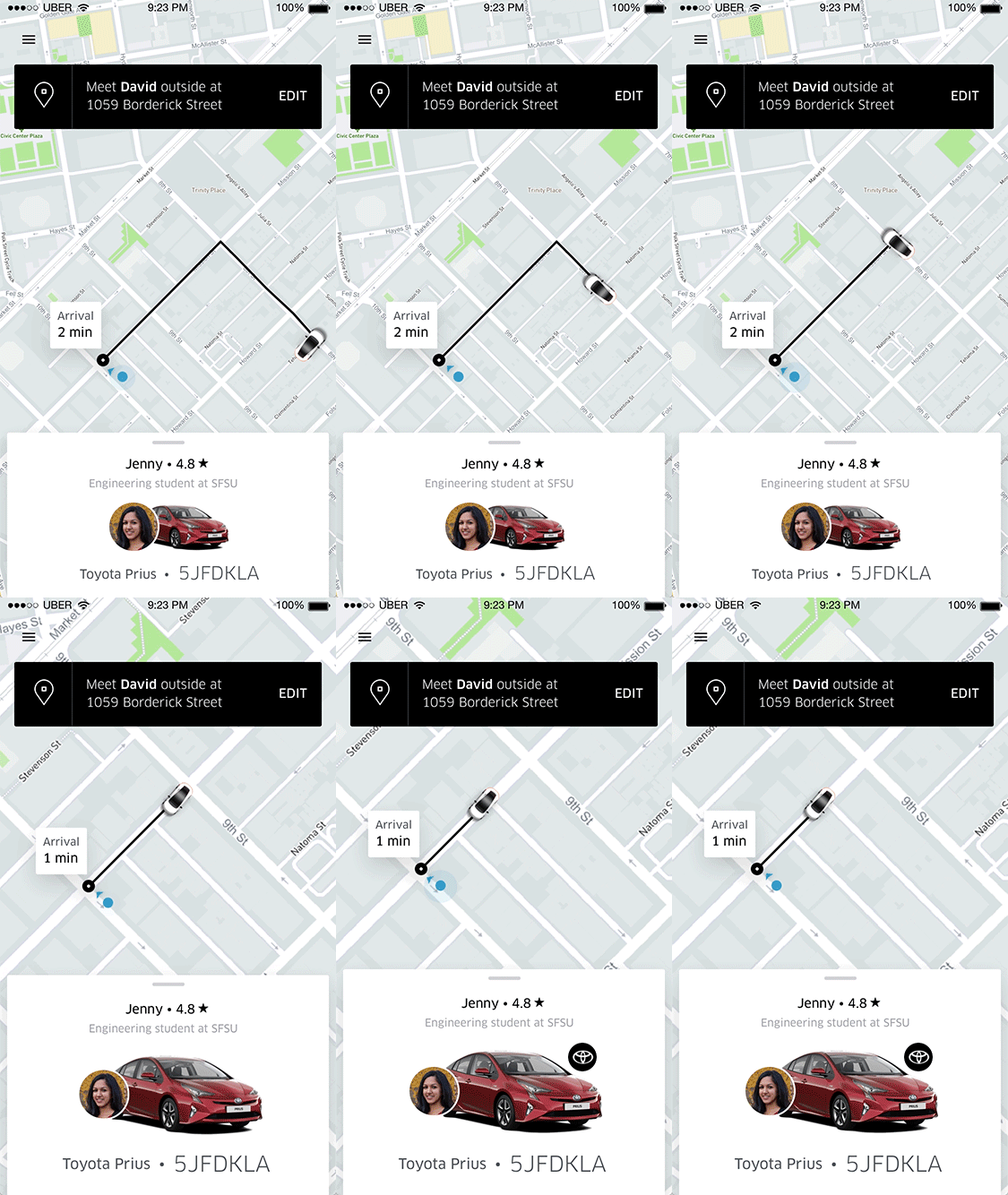
The original avatar combined the driver's photo with a car icon inside the same circle. At a glance, you had to consciously parse it to tell one from the other. We split them. The avatar became just the photo and the car indicator became its own element. One small change that removed a moment of confusion when you're already scanning a busy street.
Design for the moment, not the average state
When a driver is two minutes away, the plate number is trivial. When they're 100 meters out, it's the most important thing on your screen. We introduced a proximity trigger: as the car got close, the critical details like plate number, color, make, scaled up. Because at that distance, you actually needed them.
Make a stranger feel less strange
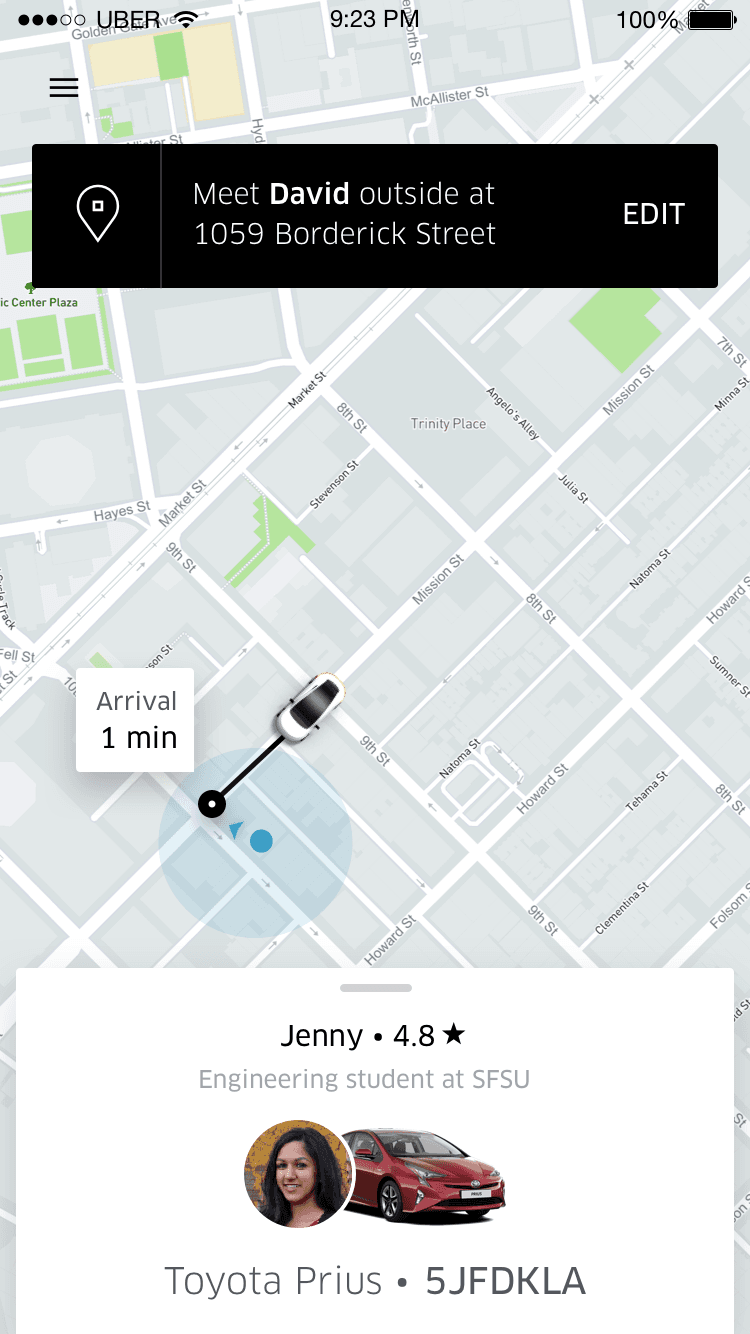
Before you got in the car, we surfaced details about who was driving like how long they'd been on the platform, their rating, what other riders said. The intent was specific: getting into someone's car is an act of trust, and the product had a chance to earn some of that before the door opened.
Outcome
Our contract ended shortly after the work was delivered, so I don't have access to the performance data. However, the features shipped and the design decisions held. Driver profiles still exist in the app today.